Light Duty Diesel Turbocharger Repair in Denver, CO
Denver diesel owners get fast, accurate turbo diagnosis and repair for light duty trucks and vans. Drop off your vehicle, get a clear assessment, and leave with a turbo that pulls like it should.
In Denver, CO, diesel trucks work hard — from hauling gear up I-70 to jobsite runs across the metro. This page covers light duty diesel turbocharger repair: rebuilds, replacements, oil feed line fixes, and boost pressure issues. Learn what signs to watch for, what the repair process looks like, and what to expect at drop-off. As a diesel engine repair service, we focus on getting your turbo back to full boost — no guesswork.
What Does Light Duty Diesel Turbocharger Repair in Denver Involve?
Light duty diesel turbocharger repair in Denver covers diagnosis, internal rebuild, or full replacement of the turbo unit on trucks, vans, and SUVs with diesel engines. Technicians inspect shaft play, oil feed and drain lines, compressor and turbine wheels, and boost output.
Common repair steps include:
1. Inspect turbo shaft for play and wear
2. Check oil supply and return lines for clogs or leaks
3. Test boost pressure under load
4. Rebuild or replace the cartridge assembly
5. Verify no intake or exhaust leaks remain after install
What Light Duty Diesel Turbocharger Repair Actually Involves
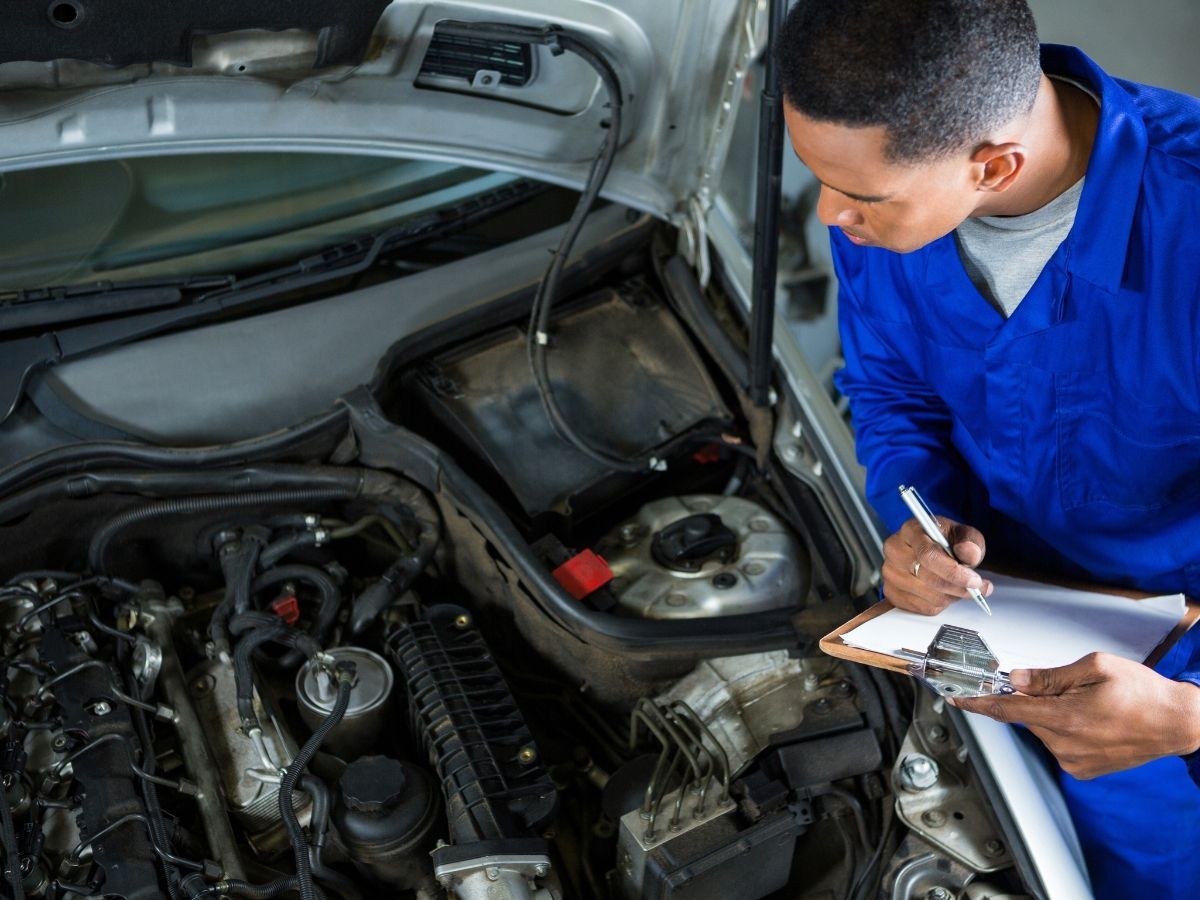
Turbocharger repair means fixing or rebuilding the unit that forces extra air into your diesel engine. Repair can include replacing internal bearings, seals, the CHRA cartridge, or the full turbo assembly.
Denver diesel truck owners often need this service after high-mileage use, oil neglect, or boost-related drivability issues. A rebuilt turbo restores lost power and fuel efficiency — two things you notice fast on a diesel.
In neighborhoods like Globeville and Swansea, where older work trucks are common, turbo wear is a frequent repair need.
Early Warning Signs Your Diesel Turbo Is Failing
Watch for blue or black smoke from the exhaust, slow acceleration, or a loud whining noise from the engine bay. A loss of power on hills or at highway speed is one of the clearest signs of turbo trouble.
Denver diesel drivers pushing loaded trucks through mountain grades often notice these symptoms earlier than city drivers. Catching turbo failure early prevents damage to the intake, intercooler, and engine internals.
When to Repair vs. Replace a Diesel Turbocharger
A turbo can often be rebuilt if the housing is intact and the shaft has minimal play. Full replacement makes sense when the compressor or turbine wheel is cracked, scored, or out of spec.
For light duty diesel vehicles in Denver, a rebuild is often enough — especially on well-maintained trucks under 150,000 miles. Your technician will measure shaft play and inspect the bearing cartridge before recommending a path.
In areas like Westwood and Harvey Park, where diesel pickups see daily commercial use, rebuild timing matters.
How the Turbo Inspection and Repair Process Works
First, a technician performs a visual and boost pressure check to confirm the turbo is the source of the issue. Next, the unit is removed, disassembled, and inspected for shaft play, seal wear, and bearing condition.
Denver's dry climate reduces rust issues, but altitude affects boost targets — techs adjust specs accordingly. After repair or replacement, the system is reassembled, oil lines are flushed, and the vehicle is test-driven under load.
What Causes a Turbocharger to Fail Prematurely
Oil starvation is the top cause — dirty oil, low oil level, or a clogged feed line kills turbo bearings fast. Foreign object ingestion through the intake and over-boost from aftermarket tuning also destroy turbos early.
Denver's stop-and-go traffic on I-25 and I-70 creates hot-shutdown conditions that burn oil in the turbo housing. Letting the engine idle for 60–90 seconds before shutting down after hard use extends turbo life significantly.
Trucks running the Front Range corridor are especially prone to thermal stress cycles — regular oil changes reduce that risk.
How to Confirm a Turbo Problem Without Pulling the Unit
A technician can check shaft play by removing the intake pipe and rocking the compressor wheel by hand — excess movement signals bearing wear. Boost pressure testing with a gauge shows whether the turbo is producing the correct PSI under throttle.
Denver diesel owners can also look for oil residue inside the intercooler or air intake as an early sign of seal failure. These checks take less than 30 minutes and can confirm whether a full removal is necessary.
Frequently Asked Questions
Can a diesel turbocharger be repaired instead of replaced?
Yes — if the housing and wheels are in good shape, an internal rebuild with new bearings and seals often restores full function.
What are the first signs of turbo failure I should watch for?
Blue or black smoke, whining noise, slow acceleration, and power loss on uphills are the most common early signs.
Is it safe to drive my diesel truck in Denver with a failing turbo?
Short distances may be possible, but continued driving risks engine damage — get it inspected quickly.
What shortens the life of a diesel turbocharger?
Infrequent oil changes, dirty oil, hot shutdowns after hard use, and intake leaks are the most common causes.
How can a shop check my turbo without removing it?
Shaft play checks, boost pressure tests, and inspection for oil in the intake can confirm most problems before teardown.
Is turbocharger repair worth it on a high-mileage diesel?
Often yes — if the engine is solid, a turbo rebuild or replacement extends the truck's useful life at a fraction of engine replacement cost.
Need Mobile Diesel Repair? We’re Ready When You Are.
Let's Get You On The Road Again