Light Duty Diesel Cooling System Repair in Denver, CO
Denver diesel trucks and vans need cooling systems built for high-altitude heat stress. Our shop diagnoses and repairs cooling faults fast so you stay on the road.
In Denver, high altitude and temperature swings push diesel cooling systems hard. This page covers light duty diesel cooling system repair: radiators, thermostats, water pumps, coolant leaks, and overheating diagnosis. Learn what to expect when you bring your truck in and how to book service. As a diesel mechanic in Denver, CO, we keep your rig running cool and reliable.
What Causes a Light Duty Diesel to Overheat in Denver, CO?
Light duty diesel engines in Denver run hotter due to thinner air at 5,280 feet. Less oxygen means the cooling system works harder to shed heat. A fault in any core component can push temps past the safe zone fast.
Common causes include:
- Low or contaminated coolant
- A failing water pump or stuck thermostat
- A clogged or leaking radiator
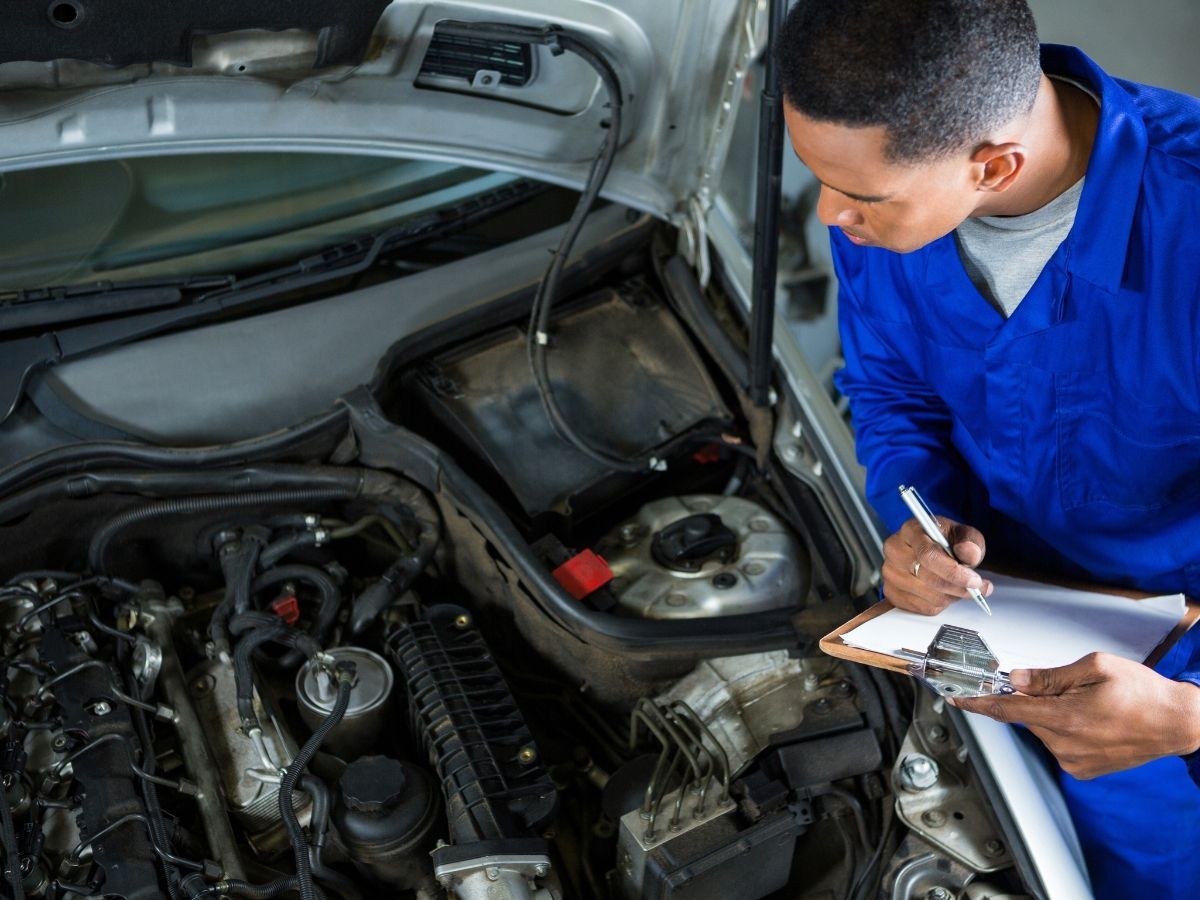
Why Light Duty Diesel Trucks Overheat in Denver
Diesel engines produce more heat than gas engines and rely on a healthy cooling loop to stay safe. Denver's elevation reduces air density, which limits how fast heat leaves the engine bay.
Pickup owners in RiNo and Commerce City often see heat spikes during summer hauls or trailer pulls. Stop-and-go traffic on I-70 and I-25 adds extra thermal stress during warm months. Catching the cause early prevents warped heads and cracked blocks.
The Main Parts of a Diesel Cooling System and What They Do
A light duty diesel cooling system has five key parts: radiator, water pump, thermostat, coolant, and hoses. Each part moves heat away from the engine and releases it through the front of the vehicle.
Denver diesel owners need all five components in good shape to handle mountain grades and highway cruising. A weak link in any one part puts the whole system at risk. Knowing the parts helps you understand what your technician finds during inspection.
Common Diesel Cooling System Problems and What Causes Them
The most common problems are coolant leaks, water pump failure, thermostat faults, and clogged radiators. Coolant contaminated with oil or rust breaks down faster and loses its ability to transfer heat.
In older trucks common in the Globeville and Swansea areas, hose wear and corrosion are leading culprits. A faulty coolant temperature sensor can also trigger false overheating readings. Diesel engines make these problems worse fast because operating temps are already higher than gas engines.
How Technicians Diagnose a Diesel Cooling System Fault
A proper diagnosis starts with a visual inspection, then a pressure test and coolant sample. Technicians check thermostat response, water pump output, and radiator flow rate.
We also test the coolant temperature sensor and look for combustion gases in the coolant. This rules out a blown head gasket before any parts are replaced. A clear diagnosis means the right repair the first time and no repeat visits.
What to Expect During a Diesel Cooling System Repair
Most cooling repairs take one business day depending on which components need service. Work may include flushing old coolant, replacing the thermostat or water pump, and pressure-testing hoses.
We often recommend a full system flush if the coolant shows rust or oil contamination. You get a clear explanation of what was found and what was fixed before you pick up the truck. After the repair, the system is pressure-tested and run to operating temp before release.
Signs Your Diesel May Have a Blown Head Gasket
A blown head gasket is one of the most serious cooling failures in a light duty diesel. Watch for white smoke from the exhaust, milky oil on the dipstick, or coolant loss with no visible leak.
Denver diesel drivers in Stapleton and Green Valley Ranch who ignore overheating often end up with head gasket damage. Early cooling repairs prevent this costly failure. If you see any of these signs, bring the truck in the same day.
Frequently Asked Questions
How do I know if my diesel cooling system needs repair?
Look for the temperature gauge running high, coolant on the ground, white exhaust smoke, or a sweet smell from the engine bay. Any one of these is a reason to bring your truck in right away.
What happens if I keep driving an overheating diesel?
You risk warped cylinder heads, a cracked block, or a blown head gasket — all far more expensive than a cooling repair. Stop driving and call us as soon as the gauge climbs.
How long does a diesel cooling system repair take in Denver?
Most repairs are completed in one business day. Complex jobs like water pump replacements may take longer depending on parts availability.
Can altitude affect my diesel cooling system?
Yes. Denver's elevation at 5,280 feet means less air density, which reduces cooling efficiency and raises operating temps. This makes a healthy cooling system more important here than at lower elevations.
What coolant should a light duty diesel use?
Most light duty diesels require a specific OAT or HOAT coolant. Using the wrong type causes corrosion and shortens the life of your hoses, water pump, and radiator.
How often should diesel coolant be flushed?
Most manufacturers recommend every 30,000–50,000 miles or every 2–3 years. High-stress driving in Denver — especially on mountain grades — may shorten that interval
Need Mobile Diesel Repair? We’re Ready When You Are.
Let's Get You On The Road Again