
Light Duty Diesel Head Gasket Replacement in Denver, CO
Denver diesel trucks and vans need a shop that knows head gasket failure fast.
Get a same-week diagnosis and a clear repair plan — no guesswork, no surprises.
Denver, CO sits at 5,280 feet, and the altitude and temperature swings put extra stress on diesel head gaskets. This page covers light duty diesel head gasket replacement for pickups, vans, and work trucks. You'll learn what to expect — from inspection through repair — and how to book your appointment. Our diesel mechanic Denver CO team keeps you on the road safely.
Signs Your Light Duty Diesel Has a Blown Head Gasket
A blown head gasket lets coolant and combustion pressure mix where they shouldn't. When that happens, you'll notice it fast — or you should.
Common signs include white exhaust smoke, an engine that overheats quickly, and coolant that disappears with no puddle under the truck. Denver diesel truck owners often catch these symptoms during cold morning starts or after highway pulls on I-70.
In the RiNo and Globeville area, fleet vans in stop-and-go use show head gasket stress earlier than highway trucks. Early diagnosis prevents engine block damage and keeps your total repair cost lower.
What are the signs of a blown head gasket in a light duty diesel in Denver?
A blown head gasket in a light duty diesel lets coolant or combustion gases leak between the engine block and cylinder head. Denver's altitude puts extra load on cooling systems, making early detection critical. Watch for these warning signs:
- White or sweet-smelling smoke from the exhaust
- Coolant loss with no visible leak under the truck
- Milky or foamy oil on the dipstick or under the oil cap
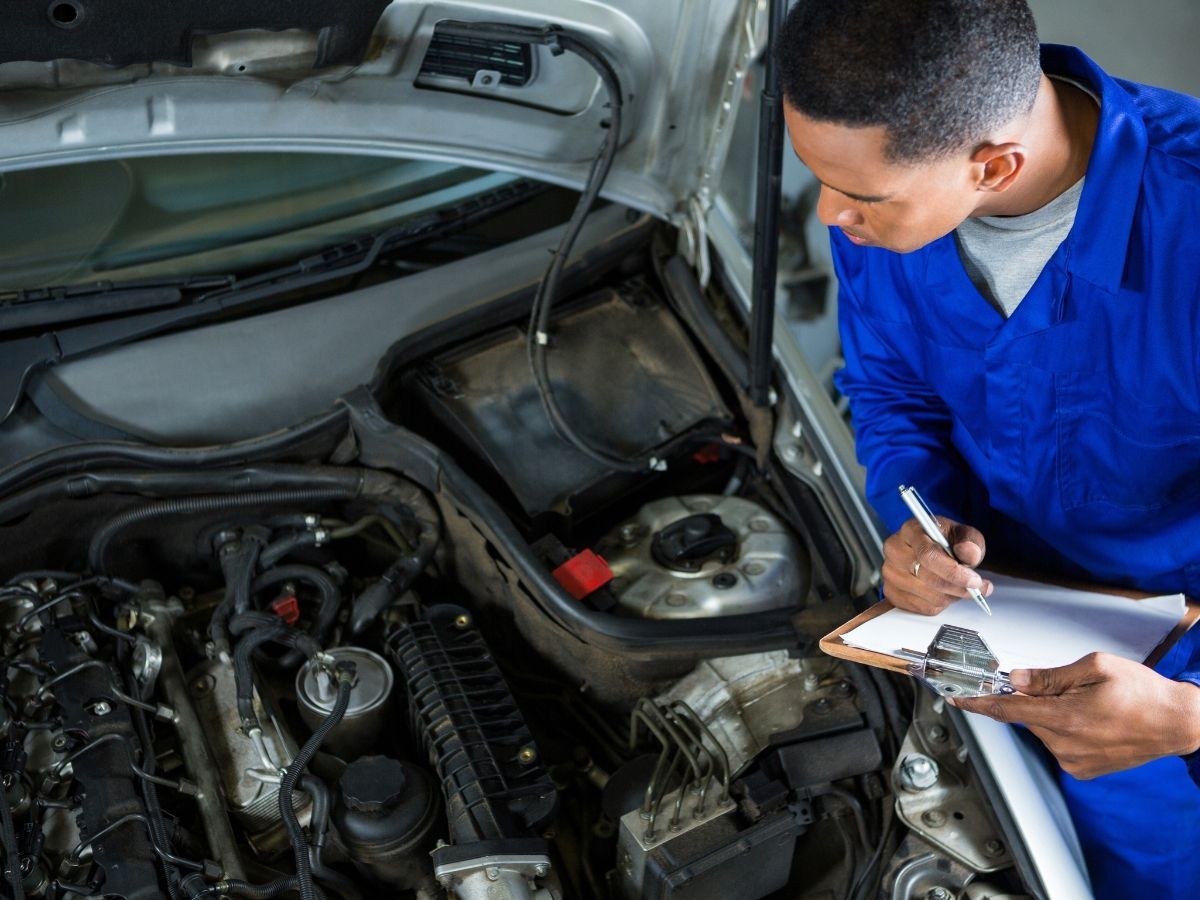
What Light Duty Diesel Head Gasket Replacement Actually Involves
Light duty diesel head gasket replacement means removing the cylinder head, inspecting the block surface, and installing a new gasket set. It's not a quick job, and it shouldn't be rushed.
Before the head goes back on, we check it for warping and cracks. A warped head will fail again — fast — if it isn't caught and corrected first. Denver diesel owners should expect the truck to be off the road for several days during this repair.
The resurfacing process and proper torque sequence are what separate a lasting fix from a repeat failure. Cut corners here, and you're back in the shop sooner than you should be.
Why Denver's Altitude and Climate Speed Up Head Gasket Failure
At 5,280 feet, Denver's thin air makes diesel engines work harder to hold combustion pressure. That extra load pushes more heat through the cooling system than the same engine would see at sea level.
Coolant systems run hotter here, and that steady heat stress wears the head gasket faster. Add the wide seasonal swings — from hard freezes in winter to dry summer heat — and the gasket expands and contracts more cycles per year than in most U.S. cities.
Trucks driven in Stapleton and Green Valley Ranch face extra strain from cold overnight starts. If your truck sits outside in January and runs hard by 7 a.m., the head gasket is absorbing that shock every single day.
What to Expect After Your Diesel Head Gasket Is Replaced
After replacement, your engine needs a careful break-in period. Avoid hard acceleration for the first few hundred miles so the new gasket seats correctly under load.
At your first oil change after the repair, we'll check coolant levels and oil condition. Both tell us the repair held the way it should. Denver drivers can expect full power and normal fuel efficiency to come back once the engine is properly reseated.
Keep an eye out for white smoke or any coolant loss in the weeks after the repair. Either one can signal that a surface didn't hold — and catching it early costs far less than waiting.
How to Prevent Head Gasket Failure in Your Diesel Truck
Keep your coolant at the correct water-to-antifreeze mix. Pure water in a Denver summer raises your boiling point risk and shortens gasket life. That's an easy fix that costs almost nothing.
Check coolant condition every 30,000 miles — sooner if your truck tows regularly on Denver's mountain corridors. Degraded coolant loses its ability to pull heat away from the head gasket where it matters most.
Don't wait on small coolant leaks or the first sign of overheating. A regular oil analysis will also catch coolant contamination early, before a slow leak becomes a full head gasket failure.
When Head Gasket Repair Makes More Sense Than Engine Replacement
If the engine block and cylinder head are still in solid condition, head gasket replacement is the right move. A new diesel engine costs far more than a quality repair done by a specialist who knows the job.
Denver truck owners with high-mileage work vehicles regularly get several more years of reliable service from a proper head gasket repair. The engine doesn't care how many miles are on it — it cares whether the repair was done right.
In Westwood and the south Denver trades corridor, keeping a dependable work truck running beats taking on payments for a new vehicle. If your block and head aren't cracked, repair is almost always the better call. We can confirm that for you after a full inspection.
Frequently Asked Questions
How do I know if my diesel truck has a blown head gasket in Denver?
Look for white exhaust smoke, disappearing coolant, or milky oil on the dipstick — then book a pressure test right away before the problem gets worse.
Is it safe to drive my diesel to the shop with a blown head gasket?
No — driving with a blown head gasket in Denver can warp the cylinder head and turn a straightforward repair into an engine replacement. Call us first.
How long does light duty diesel head gasket replacement take?
Most jobs take three to five business days, depending on whether the head needs resurfacing once it's off the engine.
Will my diesel run well after a head gasket replacement?
Yes — a correctly done repair restores full compression and normal power output, and you should notice the difference right away
What causes diesel head gaskets to fail sooner in Denver?
Altitude stress, hard towing on I-70, and neglected coolant changes are the top causes we see locally. All three are manageable with the right maintenance schedule.
Should I repair the head gasket or replace the whole engine on my diesel?
Repair is almost always the better value if the block and head are not cracked — a specialist at our shop can confirm that after inspection.
Need Mobile Diesel Repair? We’re Ready When You Are.
Let's Get You On The Road Again