Light Duty Diesel Exhaust System Repair in Denver, CO
Book same-week service and get your truck or van running clean again. Denver drivers get fast, accurate diesel exhaust diagnosis and repair.
In Denver, diesel pickups and vans work hard — and exhaust problems show up fast. This page covers light duty diesel exhaust system repair: leak fixes, DPF issues, DEF system faults, flex pipe failures, and "exhaust service required" warnings. Learn what to expect, when to act, and how to book with a local diesel engine repair service. Denver's altitude, cold starts, and stop-and-go traffic make exhaust wear a common problem — and local specialists know exactly what to look for.
What is light duty diesel exhaust system repair in Denver, CO?
Light duty diesel exhaust system repair covers diagnosis and fixes for trucks, vans, and SUVs with diesel engines. In Denver, CO, technicians inspect and repair components that control emissions, reduce noise, and move exhaust gases safely out of the vehicle. Service restores proper engine function and clears warning lights.
• Exhaust leak detection and pipe repair
• DPF (diesel particulate filter) cleaning or replacement
• DEF system and SCR catalyst repair
What Light Duty Diesel Exhaust System Repair Includes
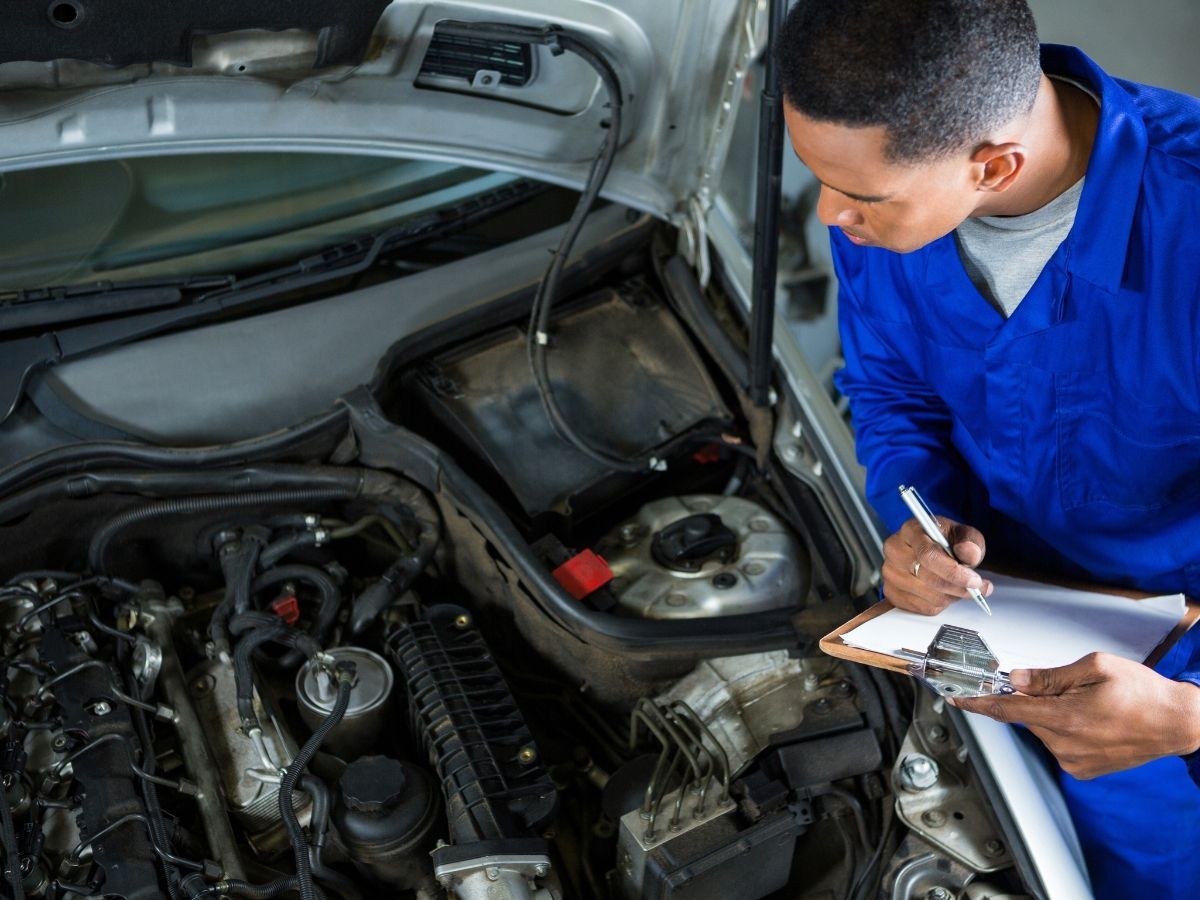
Light duty diesel exhaust repair covers all parts that move burned gases from the engine to the tailpipe. Technicians inspect flex pipes, catalytic converters, DPF filters, DEF injectors, EGR valves, and exhaust manifolds.
Denver diesel owners often need this service after towing heavy loads or running the engine hard at altitude. A full inspection catches small leaks before they become expensive failures. High-country driving in the Denver area puts extra heat stress on exhaust joints and gaskets.
Common Signs Your Diesel Exhaust System Needs Service
Watch for black smoke, loud rumbling, the "exhaust service required" light, or a smell of fumes inside the cab. These signs point to leaks, clogged filters, or failed sensors — all common in light duty diesel systems.
Denver drivers who ignore warning lights often face longer repair times and failed emissions tests. Catching problems early means fewer parts replaced and less time off the road. Rattling under the truck near the Capitol Hill or Stapleton commute corridor? That's often a broken exhaust hanger or cracked flex pipe.
Why Denver Driving Conditions Stress Diesel Exhaust Systems
Denver's mile-high altitude changes how diesel engines burn fuel, which affects exhaust output and filter load. Cold Colorado winters cause rapid heat cycling that cracks exhaust manifolds and loosens joints.
City stop-and-go traffic prevents DPF regeneration cycles from completing, leading to clogged filters. Drivers who regularly run routes through the Tech Center or along I-70 see this issue most often. Altitude-related tuning and local emissions rules make Denver-specific knowledge essential for proper repair.
How the Repair Process Works From Drop-Off to Pickup
The process starts with an OBD-II scan and visual inspection to find the root cause of the exhaust fault. Technicians pressure-test the system, check all sensors, and review DPF soot load before recommending repairs.
Denver customers get a clear summary of findings before any work begins. Most light duty exhaust repairs are completed in one to two business days. Shops in the Colfax and Westwood areas often offer shuttle service or loaner options for local customers.
Which Diesel Trucks and Vans We Service in Denver
We service common light duty diesel platforms: Ford F-250/F-350 Power Stroke, Ram 2500/3500 Cummins, GM Duramax, and diesel vans like the Mercedes Sprinter and Ram ProMaster. Denver fleets and owner-operators both rely on fast turnaround for these vehicles.
Each platform has unique exhaust routing and sensor placement — technicians trained on these systems work faster and make fewer errors. Sprinter owners in the RiNo and Sunnyside neighborhoods frequently need DEF system and DPF service. Correct parts sourcing for each make keeps repairs on schedule.
When to Repair vs. Replace Parts of Your Exhaust System
Repair works best for leaks, cracked pipes, failed sensors, and minor DPF clogs caught early. Full replacement makes more sense when a component is corroded through, structurally failed, or past its service life.
Denver's road salt and freeze-thaw cycles accelerate corrosion on exhaust pipes and hangers. Our technicians will show you the worn part and explain why repair or replacement is the better call. Getting a second opinion is always reasonable — we welcome the question.
Frequently Asked Questions
What triggers the "exhaust service required" light on my diesel in Denver?
Usually a clogged DPF, failed DEF injector, or faulty NOx sensor is the cause — a scan tool confirms the exact fault code.
Can I keep driving my diesel truck with an exhaust leak?
Short trips may be okay, but exhaust fumes can enter the cab; get your truck inspected in Denver as soon as possible.
How do I know if my DPF is clogged or just needs a regen cycle?
A shop scan shows soot load percentage — forced regen clears mild clogs, but heavy buildup needs cleaning or replacement.
How long does light duty diesel exhaust repair take at a Denver shop?
Most repairs finish in one to two days; complex DPF or SCR work may take longer depending on parts availability.
What's the difference between repairing and replacing an exhaust flex pipe?
Repair uses a sleeve or weld patch for small cracks; replacement is better when the pipe is crushed or corroded through.
Do Denver diesel exhaust repairs need to meet Colorado emissions standards?
Yes — Colorado has specific diesel emissions rules, and repairs must restore OEM-equivalent function to pass inspection.
Need Mobile Diesel Repair? We’re Ready When You Are.
Let's Get You On The Road Again