
Light Duty Diesel Timing Belt Replacement in Denver, CO
Denver diesel drivers get fast, accurate timing belt replacement before engine damage sets in. Book a same-week appointment and protect your engine today.
Light duty diesel timing belt replacement in Denver, CO is one of the most time-sensitive services a diesel owner will face. This page covers what the service includes, which vehicles commonly need it, and when to act. You'll learn what to expect before, during, and after your appointment. Our diesel engine repair specialists in Denver handle the full job right the first time.
What Are the Signs That a Diesel Timing Belt Needs Replacement in Denver?
A diesel timing belt controls when your engine's valves open and close. When it wears out, your engine runs rough or stops working entirely. Catching it early in Denver prevents costly engine damage.
Common warning signs include:
- Ticking or slapping noise near the front of the engine
- Engine misfires or rough idle at startup
- Visible cracks, fraying, or glazing on the belt surface
- Oil leaking from the timing cover seal
- Engine won't start or cranks without firing
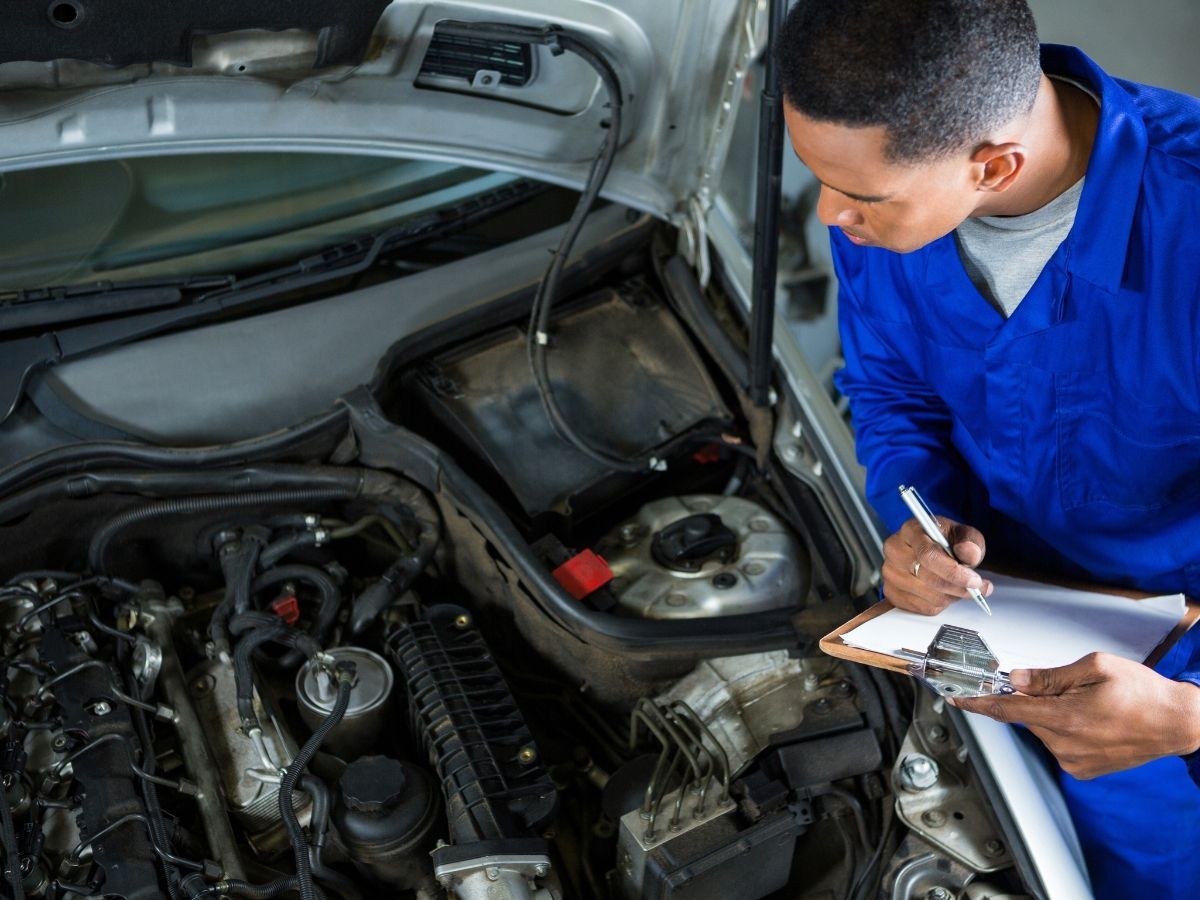
What a Diesel Timing Belt Does and Why It Fails
The timing belt links your crankshaft and camshaft so valves open at the exact right moment. Without correct timing, fuel won't combust properly and engine parts can collide. Denver diesel truck and van owners depend on this belt for every start and every mile.
A worn belt shows cracking, glazing, or fraying — all signs of age and heat stress. Denver's high-altitude climate puts extra load on diesel engines. This accelerates belt wear in older vehicles, especially around the RiNo and Globeville industrial corridors.
Warning Signs Your Diesel Timing Belt Needs Attention Now
A ticking or slapping noise from the front of the engine often means the belt is loose or worn. Engine misfires, hard starts, or rough idle at cold startup are common early signals. You should also watch for oil leaks near the timing cover or visible belt damage found during other underhood work.
If you notice any of these signs, driving further risks a full engine failure. Vehicles used for hauling or towing in Denver's foothills tend to show these symptoms earlier than city-only drivers. Don't wait — an inspection now can save your engine.
How Mileage and Age Determine When to Replace Your Timing Belt
Most light duty diesel timing belts are designed to last between 60,000 and 100,000 miles, depending on the engine. TDI and similar diesel engines often follow a stricter interval — some as short as 40,000 miles under hard use. Age matters just as much as mileage.
A belt sitting seven or more years can harden and crack even on a low-mileage vehicle. Denver diesel owners who drive infrequently still need to check belt condition by year, not just miles. Vehicles stored outside in Denver's temperature swings — from summer heat to hard winter freezes in areas like Stapleton — age belts faster than average.
What Happens During a Light Duty Diesel Timing Belt Replacement
A technician removes the front engine covers, accessory belts, and timing cover to access the belt. The old belt, tensioner, idler pulleys, and water pump are inspected — worn components are replaced at the same time. The new belt is then installed, tensioned to spec, and the engine is checked for correct timing before reassembly.
Denver diesel drivers can expect the full job to take between three and six hours depending on the vehicle. Our team completes this service with the right tools and OEM-spec parts built for light duty diesel engines.
How a Broken Timing Belt Can Destroy Your Diesel Engine
When a timing belt breaks at speed, the crankshaft and camshaft lose sync instantly. In interference engines — common in light duty diesels — pistons and valves collide, bending valves and damaging the cylinder head. A single belt failure can turn a routine replacement into a full engine rebuild costing many times more.
Denver drivers who push past the service interval or ignore warning signs face the highest risk. Diesel-powered work trucks and delivery vans operating daily in Commerce City and other Denver-area industrial zones are especially vulnerable to unplanned breakdowns. Replacing the belt on schedule is the lowest-cost option by far.
What Denver Diesel Drivers Should Do Before Their Appointment
Pull your vehicle's service records and note the last timing belt replacement date or mileage. Write down any symptoms you've noticed — noises, startup issues, or warning lights — to share with your technician. Plan for a full day without the vehicle; most shops need several hours for this job.
Ask us whether the water pump, tensioner, and idler pulleys will be replaced at the same time to avoid a repeat teardown. Bringing your vehicle in before symptoms get worse gives our technicians more repair options and protects your engine from further damage.
Frequently Asked Questions
How many miles should I wait before replacing my diesel timing belt in Denver?
Most light duty diesels need replacement between 60,000 and 100,000 miles. Check your owner's manual and factor in Denver driving conditions, including altitude and temperature swings, which can shorten belt life.
Can I drive my diesel truck if I suspect the timing belt is worn?
No — continuing to drive risks sudden belt failure and severe engine damage. Book an inspection immediately to avoid turning a belt replacement into a full engine rebuild.
Does a worn timing belt affect my diesel's fuel economy?
Yes — a slipping or worn belt disrupts engine timing, which reduces combustion efficiency and can increase fuel use. Replacing it on schedule keeps your diesel running at its best.
What other parts should be replaced with the timing belt on a diesel?
The tensioner, idler pulleys, and water pump are typically serviced at the same time. Replacing them together avoids a repeat teardown and saves you labor costs down the road.
How do I know if my diesel has an interference engine?
Most modern light duty diesels are interference engines. A technician can confirm your engine type during inspection before any work begins.
Is timing belt replacement different for diesel engines compared to gas engines?
Yes — diesel engines run at higher compression and torque loads. That requires precise installation and diesel-specific belt components that differ from what's used on gas engines.
Need Mobile Diesel Repair? We’re Ready When You Are.
Let's Get You On The Road Again