Light Duty Diesel Radiator Repair in Denver, CO
Denver diesel trucks and vans need cooling systems that hold up at altitude and in traffic. Get your radiator diagnosed and repaired fast — bring your vehicle in today.
In Denver, light duty diesel trucks and vans run hard. Altitude, heat, and stop-and-go traffic strain cooling systems fast. This page covers light duty diesel radiator repair: leaks, overheating, clogged cores, and failed pressure caps. Most repairs are diagnosed same day; many are completed within one to two business days. Our diesel engine repair service keeps your cooling system running right so your truck stays on the road.
Why Light Duty Diesel Radiators Fail in Denver's Climate
Diesel engines run hotter than gas engines. They need more cooling capacity to stay safe at operating temp. Denver sits at 5,280 feet — thinner air means your engine works harder, and your cooling system takes more stress with every mile.
Light duty trucks and cargo vans in Denver face overheating risk even on short daily routes. Summer heat in neighborhoods like Montbello and Green Valley Ranch pushes coolant temps past safe limits faster than you might expect.
Common Signs Your Diesel Radiator Needs Repair Now
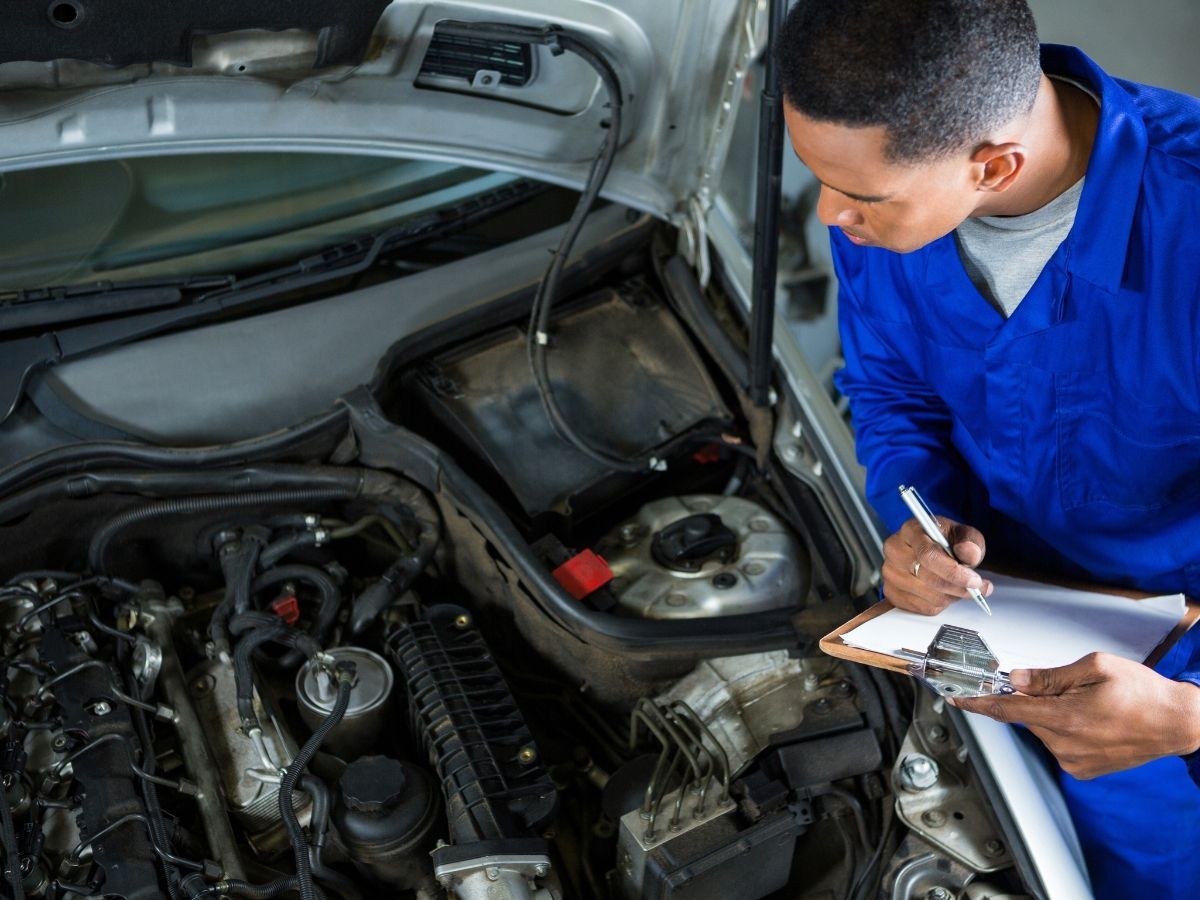
Watch for coolant puddles under your truck, a sweet smell near the engine, or a temp gauge climbing into the red. White smoke from the exhaust and a low coolant warning light are also signs your cooling system has a problem.
Denver diesel owners should not ignore early warning signs. A small leak turns into a cracked block fast. If you notice any of these, bring your truck in for light duty diesel radiator repair in Denver now:
- Temperature gauge rising above normal range
- Visible coolant drips or puddles under the vehicle
- Sweet or burnt coolant smell while driving
- Heater blowing cold air despite a warm engine
What Causes a Light Duty Diesel Radiator to Fail in Denver, CO?
Light duty diesel radiators in Denver fail from heat stress, altitude load, and deferred maintenance. Denver's high elevation makes diesel engines work harder, raising coolant temps faster than at sea level. Common causes of failure include:
- Coolant leaks from cracked tanks or damaged hose connections
- Clogged radiator cores from scale, rust, or debris buildup
- Overheating from a stuck thermostat or failed water pump putting extra strain on the radiator
- Pressure cap failure causing coolant loss and hot spots
How Diesel Radiator Repair Works from Drop-Off to Pick-Up
Our diesel engine repair process starts with a full cooling system pressure test to find the exact problem. We check the radiator core, hoses, thermostat, water pump, and coolant condition before recommending any repair.
Most Denver customers drop off in the morning and get a same-day diagnosis with a clear repair plan. In the Swansea and Elyria-Swansea industrial corridors, fleets rely on fast turnaround. We stock common light duty diesel radiator parts to speed up your repair
What to Do When Your Diesel Truck Starts Overheating
Pull over safely as soon as the temp gauge enters the red. Keep driving and you risk serious engine damage. Turn off the AC, turn on the heater to pull heat away from the engine, and watch for steam.
Do not open the radiator cap when the engine is hot. Wait at least 30 minutes before checking coolant level. Denver's traffic on I-70 and I-25 creates overheating situations fast — knowing what to do protects your engine until you reach our diesel repair shop.

How to Keep Your Diesel Radiator Clean and Working Long-Term
Flush and replace coolant on schedule. Dirty or acidic coolant corrodes radiator cores and clogs passages over time. Use the right coolant type for your diesel engine — mixing types causes gel buildup that blocks coolant flow.
Have your cooling system inspected at least once a year, especially before Denver's summer heat arrives. Trucks used in construction or agriculture around the Commerce City and Globeville areas pick up more dust and debris. Check the radiator fins for blockage every season.
Frequently Asked Questions
Can a cracked diesel radiator be repaired, or does it need to be replaced?
Small cracks and pinhole leaks can sometimes be repaired; large cracks or failed plastic tanks usually require full replacement. A technician determines the right path after pressure testing your system.
What is the best way to clean a diesel radiator without damaging it?
A licensed shop uses a chemical flush designed for diesel cooling systems. Avoid household products or general lubricants — they can damage seals or clog passages and make the problem worse.
How long does light duty diesel radiator repair take in Denver?
Most repairs are diagnosed same day. Straightforward repairs are often completed within one to two business days, depending on part availability.
What happens if I keep driving with an overheating diesel engine?
Continued driving with a hot engine can warp the cylinder head, blow a head gasket, or crack the engine block. Repairs become far more costly the longer you wait.
How do I know if my diesel radiator is leaking internally vs. externally?
External leaks show coolant drips under the vehicle. Internal leaks often appear as white exhaust smoke or milky oil — both require immediate inspection at a diesel repair shop.
Does Denver's altitude affect how often I need diesel radiator service?
Yes — high altitude increases engine load and heat output, so cooling systems in Denver may need inspection more frequently than in lower-elevation cities.
Need Mobile Diesel Repair? We’re Ready When You Are.
Let's Get You On The Road Again