Heavy Duty vs. Light Duty Diesel Mechanic: What's the Difference?
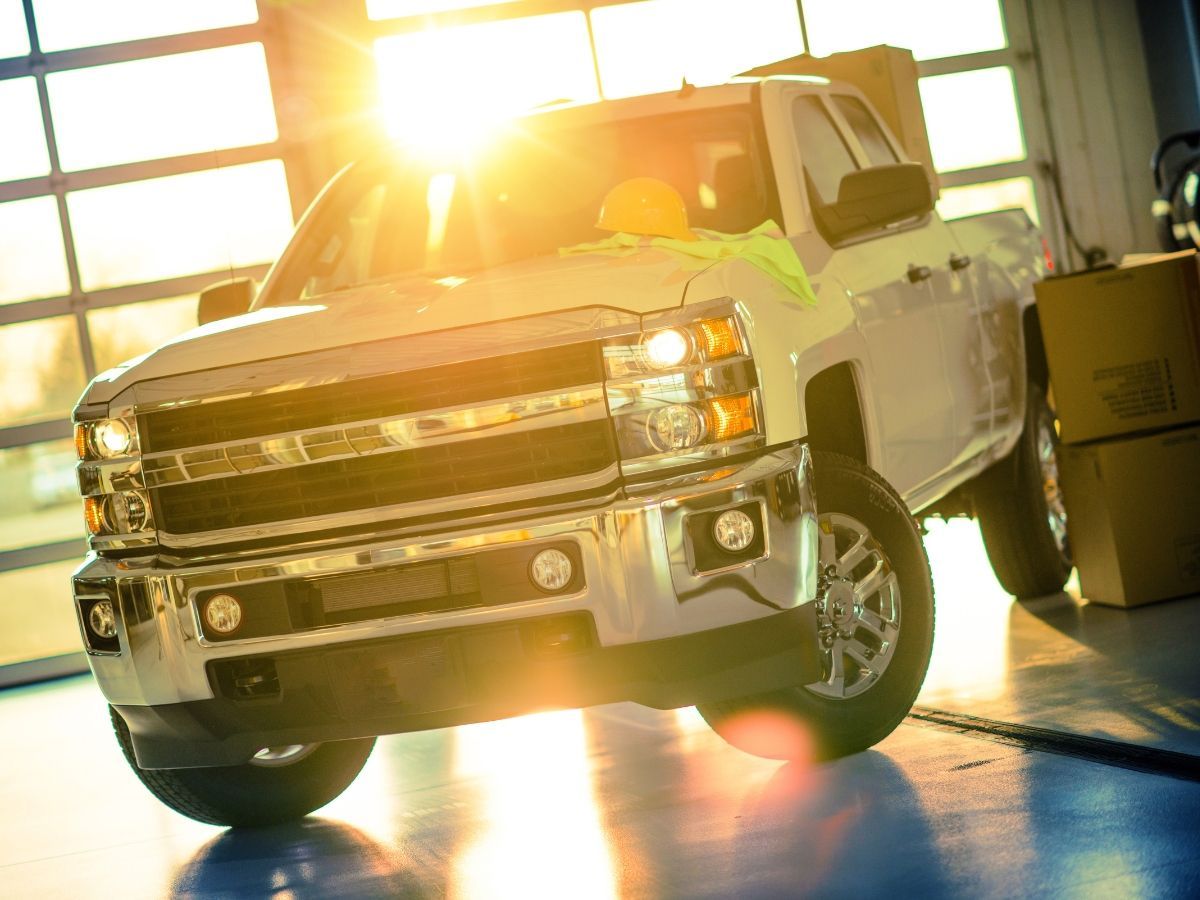
You brought your diesel pickup to a shop — and left without getting it fixed. The tech wasn't set up for your rig. That moment of frustration is more common than it should be. Knowing the heavy duty vs. light duty diesel mechanic difference can save you time, money, and a wasted trip across Denver.
This guide helps Denver diesel truck owners find the right mechanic the first time. You'll learn what sets these two specialties apart, which vehicles fall into each category, and how to find the right shop for your specific engine
What Is the Difference Between a Heavy Duty and Light Duty Diesel Mechanic?
A light duty diesel mechanic works on personal and small commercial vehicles — diesel pickup trucks (Ram, Chevy, Ford), cargo vans, and SUVs under a certain weight rating. A heavy duty diesel mechanic focuses on large commercial trucks, semis, buses, and construction equipment. The tools, training, diagnostic software, and parts knowledge required for each specialty are different. If you drive a diesel pickup in Denver, you need a light duty specialist who knows your specific engine and emissions systems.
For expert service from a light duty mechanic in Denver, see what Diesel Repair Denver offers for pickup trucks and light commercial vehicles.
What Is a Light Duty Diesel Mechanic?
Light duty refers to vehicles with a Gross Vehicle Weight Rating (GVWR) under roughly 8,500–10,000 lbs. That covers most diesel pickup trucks and small commercial vehicles you see on Denver roads every day.
A light duty diesel mechanic specializes in the engines, emissions systems, and electronics found in these platforms. Their training and ASE certifications focus specifically on these vehicle types — not the heavy iron used in commercial fleets.
Common light duty diesel vehicles:
- Ram 2500 / 3500 (Cummins 6.7)
- Chevy Silverado / GMC Sierra (Duramax)
- Ford F-250 / F-350 (Power Stroke)
- Jeep Gladiator / Wrangler diesel
- VW and Audi TDI models
- Diesel cargo and sprinter-style vans
In our shop, the Duramax, Cummins, and Power Stroke pickups make up the bulk of what we service for Denver-area drivers.
What Is a Heavy Duty Diesel Mechanic?
Heavy duty mechanics work on Class 6 through Class 8 vehicles — semis, large commercial trucks, transit buses, heavy RVs, and construction or agricultural equipment. These are purpose-built for high-mileage commercial use and require a different set of skills.
The tools are bigger. The lifts are heavier. The diagnostic platforms are different. Brand-specific training for Cummins, Detroit Diesel, or PACCAR engines at scale is a world apart from servicing a Duramax in a pickup truck.
Heavy duty shops are also structured around fleet accounts and commercial clients. If you pull up in a diesel pickup, they may not have the right scan tools — or the right technician — for your vehicle.
| Light Duty | Heavy Duty |
|---|---|
| Under ~10,000 lbs | Class 6–8 (over 19,500 lbs) |
| Pickup trucks, cargo vans, passenger diesels | Semis, buses, construction equipment |
| White or gray smoke | Commercial fleet scan platforms |
| DPF/DEF/EGR tuned for light platforms | Commercial-scale aftertreatment systems |
| ASE light vehicle diesel | Brand-specific (PACCAR, Detroit, Cummins) |
| Individual owners, small fleets | Logistics companies, large fleet managers |
Key Differences in Tools, Training, and Expertise
These two specialties are not interchangeable. A heavy duty shop that takes on a Duramax pickup may not have the right tools to pull the correct codes — and that increases the risk of a misdiagnosis.
Here's where the differences show up most:
Diagnostic software: Light duty trucks use OBD-II systems and ECMs specific to their platform. The scan tools and software used by a pickup-truck specialist are tuned for those systems. Heavy duty shops use different platforms built for commercial truck computers.
Emissions systems: A Ram 2500 with a 6.7 Cummins has a DPF, DEF system, and EGR configured for that engine — not for a Class 8 semi. Getting emissions diagnostics wrong on a light duty truck often comes down to a tech who knows the heavy side but not the light side of the same brand.
Parts and supplier networks: Light duty and heavy duty parts come from different supply chains. Lead times, part numbers, and compatibility checks differ between the two categories.
Platform-specific knowledge:
• Torque specs and service intervals vary by vehicle class
• Labor times are set per platform — heavy duty estimates don't translate to pickups
• Fuel system configurations differ between light and heavy duty engines
If you drive a diesel pickup in Denver, look for a shop that specifically works on your engine type. That's where you get a faster, more accurate diagnosis. For a light duty diesel mechanic in Denver, Diesel Repair Denver works specifically on these platforms.
How to Know Which Type of Mechanic Your Diesel Vehicle Needs
Not sure which category your truck falls into? Here's how to find out quickly.
3-Step Checklist: Pick the Right Diesel Mechanic
- Check your door placard. Every vehicle has a GVWR label inside the driver's door jamb. Under roughly 10,000 lbs? You need a light duty diesel specialist.
- Match your engine. If you drive a Duramax, Power Stroke, or Cummins 6.7 pickup, look for a shop that regularly services your specific platform — not just diesel in general.
- Ask the shop directly. Ask them: "Do you regularly service [your make and model]?" A shop with real experience on your platform will answer without hesitation.
We've had customers come in after a heavy duty shop couldn't pull the right diagnostic codes on their Duramax. It happens. The engine is a Cummins — but the pickup truck configuration is a different animal than the same brand in a semi. Getting the right shop the first time avoids that headache.
Once you know your vehicle falls into the light duty category, the next step is finding the right shop in Denver. Visit our page for a Denver light duty mechanic to see how we can help
Finding a Qualified Light Duty Diesel Mechanic in Denver, CO
Not every diesel shop in Denver is set up for pickup truck owners. Here's what to look for when choosing a shop.
Denver's altitude — sitting at roughly 5,280 feet — affects how diesel engines perform. Fuel delivery, turbocharger output, and emissions system function can all be impacted by elevation. A mechanic familiar with Denver driving conditions understands these factors and accounts for them during diagnostics and service.
Questions to ask your diesel mechanic before booking:
- Do you work on my specific make, model, and engine?
- Are your technicians ASE certified in diesel?
- Do you have the diagnostic software for my platform?
- Can you give me a written estimate before work begins?
- What warranty do you offer on parts and labor?
At Diesel Repair Denver, we focus on light duty diesel vehicles for drivers across the Denver Metro area. Our ASE-certified technicians work on Duramax, Power Stroke, and Cummins pickup trucks — along with diesel vans and light commercial vehicles. We provide written estimates, fair pricing, and parts backed by a warranty.
If you're looking for light duty diesel repair in Denver, we're ready to help. You can also visit our homepage at dieselrepairdenver.com to learn more about our full range of services.
Diesel Repair Denver 4800 E Evans Ave, Denver, CO 80222 (720) 477-7781